

Customers don't escalate without warning - they signal it first. Before requesting a supervisor, they repeat themselves, speak faster, interrupt more, fall silent, use frustration language, or show uncertainty. These signals appear in language patterns, tone changes, speech rate, and interaction flow - not just in keywords. The AI agents that catch these signals early and respond appropriately keep customers engaged. Those that miss them watch satisfaction collapse and escalation costs rise. Modern conversation analytics can detect these patterns in real time, giving teams the chance to intervene before trust is lost.
6 Signals That Predict an Escalation Before It Happens
It’s highly unlikely that a customer would begin their chat with “I’m going to request a supervisor.”
Escalation normally progresses in stages. This might take the form of repetition, lack of patience, interrupting the agent, and providing shorter answers to questions. Before the customer even asks for a supervisor, the relationship might already be strained.
The positive part is that these symptoms usually occur before escalation takes place. The tools of AI-conversation analytics can analyze changes in language, tone, rhythm, silence, and interaction thus allowing an opportunity for intervention.
The point here is not to prevent every single case of escalating chat. There might be situations where human judgment is required. The point is in understanding when automation will just lead to frustration.
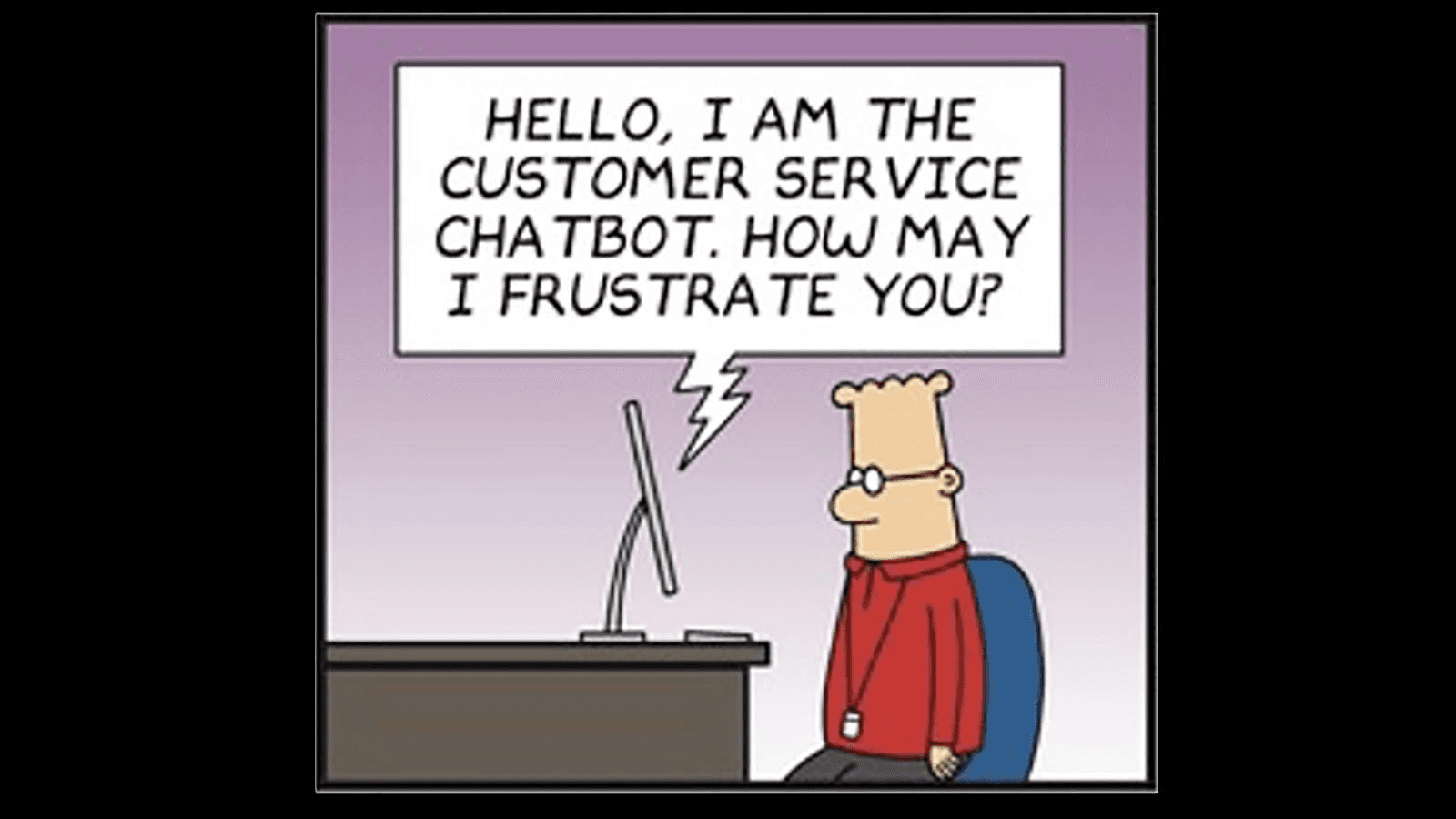
Why Early Detection Matters
Late escalation comes at a cost; the customer restates the problem to a live agent without context and the call becomes lengthier. Timely escalation is characterized by the fact that the AI agent identifies the problem, provides an overview of the conversation, and escalates the customer along with the relevant information.
Modern systems for handling escalations utilize language, acoustic, behavior, and contextual cues, not just a single word or sentiment value.
1. The Customer Repeats the Same Problem
One of the most obvious indicators that the customer does not understand that their needs have been understood is repetition. They explain the problem, elucidate it, and then restate it using different words. This is because the customer felt like the intent behind the problem or the answer to the query posed by the customer was missed.
For instance:
Customer: "I got charged twice for the same order." Agent: "I will be able to assist you in checking the status of your order." Customer: "No, I got charged twice."
2. Speech Becomes Faster or Sharper
Frustration can usually be heard in the caller’s voice before anything else. This can happen through talking faster, interrupting more, speaking louder, or conversely being slower, quieter, or detached because there is no longer any expectation of help.
The voice analysis will measure pitch, energy levels, speech rate, silences, and interruptions, particularly changes from what the caller was doing earlier. Fast speaking alone might be due to urgency, but fast speech along with repetition and negativity is very indicative.
3. The Customer Starts Interrupting
When there is an interruption, this means that there is no alignment in the conversation, since the agent is talking for too long, answering the wrong question, or not attending to a critical point. Bad turn-taking skills make a voice agent seem like a machine, even when giving the correct answer.
The correct approach should be short answers and natural breaks, along with verifying the customer's point before continuing.
4. Silence at the Wrong Moment
Long gaps after the answer from the agent could mean that the customer is confused, surprised, or having some technological difficulty. If the client falls silent after the explanations fail, they may have tuned out completely.
Silence could also occur during the wait for the use of software or an API call. Without any indication, the customer would assume that the call got disconnected. It helps to say "I'm checking that for you right now, thanks for your patience."
5. Frustration Language Appears
Customers do not require foul language to show their displeasure:
"Didn't I say that?"
"You are not understanding me."
"I already told you this."
"This is just ridiculous."
These statements may not hold importance in themselves, but keyword recognition is insufficient since the exact same phrase holds different significance if repeated once or five times.

6. The Agent's Confidence Drops
Escalation can be anticipated due to the agent’s uncertainty regarding his own task: uncertain intent classification, failure in tool calls, contradictions in information received, or even repetitions in the process. The right strategy would combine several such factors: uncertainty, failure, contradictions, repetition, incomplete workflow, risky request, and direct human request.
From Signal to Action
Signal | Recommended response |
Repeated issue | Restate the problem and confirm the intended outcome |
Faster speech / rising volume | Acknowledge urgency, simplify the conversation |
Frequent interruptions | Shorter responses, better turn-taking |
Extended silence | Progress message or offer assistance |
Frustration language | Acknowledge the concern, avoid repeating the same script |
Low agent confidence | Ask one targeted question or escalate with context |
A successful handover should contain the problem statement, data gathered, actions taken, account information, and the reason for the escalation so that the customer does not have to repeat themselves.
How VoxMith Helps in Predict an Escalation Before It Happens
The identification of an escalation risk is done by having the full context of the conversation, and not just looking for keywords such as "manager" in the transcript. VoxMith examines 100 percent of the production conversations in order to identify the failures, the causes, and areas where the agents face issues regarding frustration, uncertainty, and handovers.
Production Interaction Intelligence VoxMith continuously captures and analyzes real production interactions after deployment, across any conversational interface. This gives teams a clear, ongoing understanding of how their AI agents actually behave with real users, rather than relying on assumptions from pre-deployment testing.
Production Traces VoxMith captures the complete execution flow of every interaction across prompts, LLMs, RAG, workflows, tools, APIs, guardrails, and responses. This gives teams complete end-to-end visibility, making it possible to debug production issues instead of guessing where something broke.
Production Analytics VoxMith monitors operational, quality, and business KPIs across every production interaction. This allows teams to measure the AI agent's health, reliability, and business performance continuously over time, not just at a single point of evaluation.
Production Evaluation VoxMith evaluates every production interaction against business objectives, task completion, compliance, and conversational quality. This gives teams a real-world measure of AI performance after deployment, rather than relying solely on pre-launch test scores.
Production Failure Detection VoxMith detects hallucinations, workflow failures, policy violations, tool failures, API failures, customer drop-offs, and escalations as they happen. This allows teams to catch failures before they impact customers.
Ending Statement
Escalation is predictable. Not every case can or should be prevented - some issues genuinely need human judgment. But the difference between a customer who escalates frustrated and one who escalates informed is whether you saw the warning signs coming. VoxMith analyzes 100% of production conversations to identify these escalation patterns as they emerge, not days later in a report. The teams that act on these signals immediately - adjusting the agent's approach, escalating with full context, or switching strategies - will reduce escalation costs and keep customers coming back.
FAQs
Can AI predict an escalation before it happens?
It can flag rising risk through signals like repetition, tone shifts, and frustration language not guarantee it, but give teams a window to step in.
Is one signal enough to know an escalation is coming?
No. Signals are far more reliable combined repetition plus frustration language plus tone change than any single cue alone.
Should every escalation be prevented?
No. Some conversations genuinely need a human. The goal is knowing when automation helps versus when it frustrates.
What makes a good handover to a human agent?
The problem, what's been tried, and why it's escalating so the customer doesn't repeat themselves.
